Design Prototype for Gamified User Interface: Democratic Fund Distribution Through the Respect Game
Abstract
This deliverable presents a comprehensive design prototype for gamifying the Optimism Fractal fund distribution interface, transforming democratic coordination into an engaging, immersive experience inspired by successful game design principles. Building upon the technical and governance foundations established in previous deliverables, this prototype envisions how gamification elements can enhance participation, create meaningful progression systems, and make capital allocation both effective and enjoyable.
Through extensive exploration of gamification philosophy, analysis of successful games, and practical design recommendations, we establish a framework for interfaces that maintain democratic principles while leveraging the motivational power of play. While focused on providing inspirational foundations rather than final implementations, this prototype demonstrates how the spirit of voluntary play can transform governance participation from obligation into adventure.
Table of Contents
Introduction
Part I: The Philosophy of Gamification
- Why Gamification Matters for Fund Distribution
- The Infinite Garden and Infinite Games
- The Spirit of Play as Foundation
- The Democratic Imperative
- From Philosophy to Practice: How Play Creates Innovation
- The Gamification Framework
- GameFi and Blockchain Gaming
Part II: Learning from Successful Games
- Games, Sports, and Shows: Multiple Sources of Inspiration
- Game Shows and Competitive Collaboration
- Sports and Esports: The Arena Experience
- Digital Games: From Simple to Complex
- Fortnite: Simplicity at Scale
- World of Warcraft: Mastery Through Complexity
- Final Fantasy XIV: Community Through Ritual
- League of Legends: Competitive Transparency
- Civilization VII: Strategic Progression
- Synthesis: The Optimism Fractal Design Language
Part III: The Respect Game Interface
- Reimagining the Core Game Experience
- From Zoom Calls to Immersive Arenas
- Sports-Style Production Values
- AI Integration and Real-Time Analytics
- VR and Metaverse Possibilities
Part IV: Character Development System
- Reimagining Identity Through Contribution
- Level Progression: Making Growth Visible
- Achievement System: Recognizing Diverse Contributions
- Seasonal Progression Dynamics
Part V: Enhanced Interface Elements
- The Command Center: Immersive Dashboard
- Guild System: Communities Within Community
- Dynamic Leaderboards: Celebrating Without Dividing
- Social Hub: Where Connections Flourish
- Voting Interface: Democratic Participation Gamified
- Fund Claiming: Rewarding Moments
Part VI: Advanced Features
- Skill Trees and Specialization Systems
- Respect Trees: Multi-Dimensional Evaluation
- Seasonal Events and Time-Limited Challenges
- Social Features and Peer Recognition
Part VII: Visual Design Language
- Current Design Identity
- Future Visual Principles
- Character Archetypes: Roles in the Garden
- Environmental Storytelling
- Animation Philosophy: Meaningful Movement
Part VIII: Progressive Enhancement
- Building Layers of Engagement
- User Control and Preferences
- Onboarding Progressive Users
- The Philosophy of Choice
Conclusion
Introduction
As we approach the culmination of this research mission, this fifth deliverable represents a pivotal shift from infrastructure to inspiration, from mechanics to motivation, from systems to the spirit of play that will animate them. While previous deliverables have established the technical architecture, governance integration, and role-based systems necessary for democratic fund distribution, this prototype explores how gamification can transform these foundations into experiences that more participants genuinely enjoy and eagerly return to week after week.
This deliverable approaches gamification not as superficial badges and points layered onto serious governance work, but as a fundamental reimagining of how humans can coordinate joyfully and effectively at scale. The democratic systems we’ve designed are already functioning well at smaller scales through the proven coordination mechanisms of the Respect Game. What gamification provides is the engaging layer that will help these systems scale to thousands or millions of participants while maintaining their effectiveness and democratic principles.
It’s important to clarify the distinction between two interconnected but separate gaming experiences we’re designing: First, there’s the Respect Game itself—the core one-hour experience where participants gather in small groups, share contributions, and reach consensus on rankings from Level 6 to Level 1. Second, there’s the broader ecosystem game built around repeated Respect Game participation—a meta-game where players develop reputations over time, unlock roles, vote on proposals, and collectively allocate resources. Both benefit from gamification, but in different ways.
It’s also important to note that while comprehensive in its philosophical foundations and design principles, the visual prototypes presented here serve as initial inspiration rather than final products. Over the past month, research priorities have focused primarily on the legal and compliance framework—a more foundational requirement for implementation. However, the gamification philosophy and design principles explored here are equally crucial for long-term success, as they determine whether participants will engage enthusiastically or merely comply with necessary processes.
Readers are encouraged to explore this document in whatever order best serves their interests. Those seeking practical interface designs may wish to skip to the Respect Game interface and character development sections, while those interested in the deeper rationale should begin with our extensive exploration of gamification philosophy. The numerous resources and links provided throughout offer pathways for deeper exploration of these transformative ideas.
Part I: The Philosophy of Gamification
Why Gamification Matters for Fund Distribution
Before diving into specific design elements, we must address a fundamental question: Why gamify fund distribution at all? Most capital allocation systems worldwide operate through dry, bureaucratic processes—grant applications, committee reviews, spreadsheet allocations. If these traditional methods work, why introduce games into something as serious as governance and resource distribution?
The answer lies in the profound gap between what these systems could achieve and what they actually accomplish. Traditional fund distribution suffers from chronic voter apathy, limited participation, surface-level evaluation, and decision-making concentrated among small groups who become overwhelmed by the responsibility. These aren’t just inefficiencies—they’re fundamental failures that prevent communities from effectively channeling resources toward their most valuable contributors.
Gamification addresses these challenges not by making governance less serious, but by aligning the experience with human psychology. When we transform contribution evaluation into engaging gameplay, peer review into collaborative quests, and reputation building into character progression, we tap into the same motivational systems that inspire people to voluntarily invest thousands of hours mastering complex skills in games. The result isn’t frivolous—it’s a fund distribution system that actually works at any scale because people genuinely want to participate.
The Infinite Garden and Infinite Games
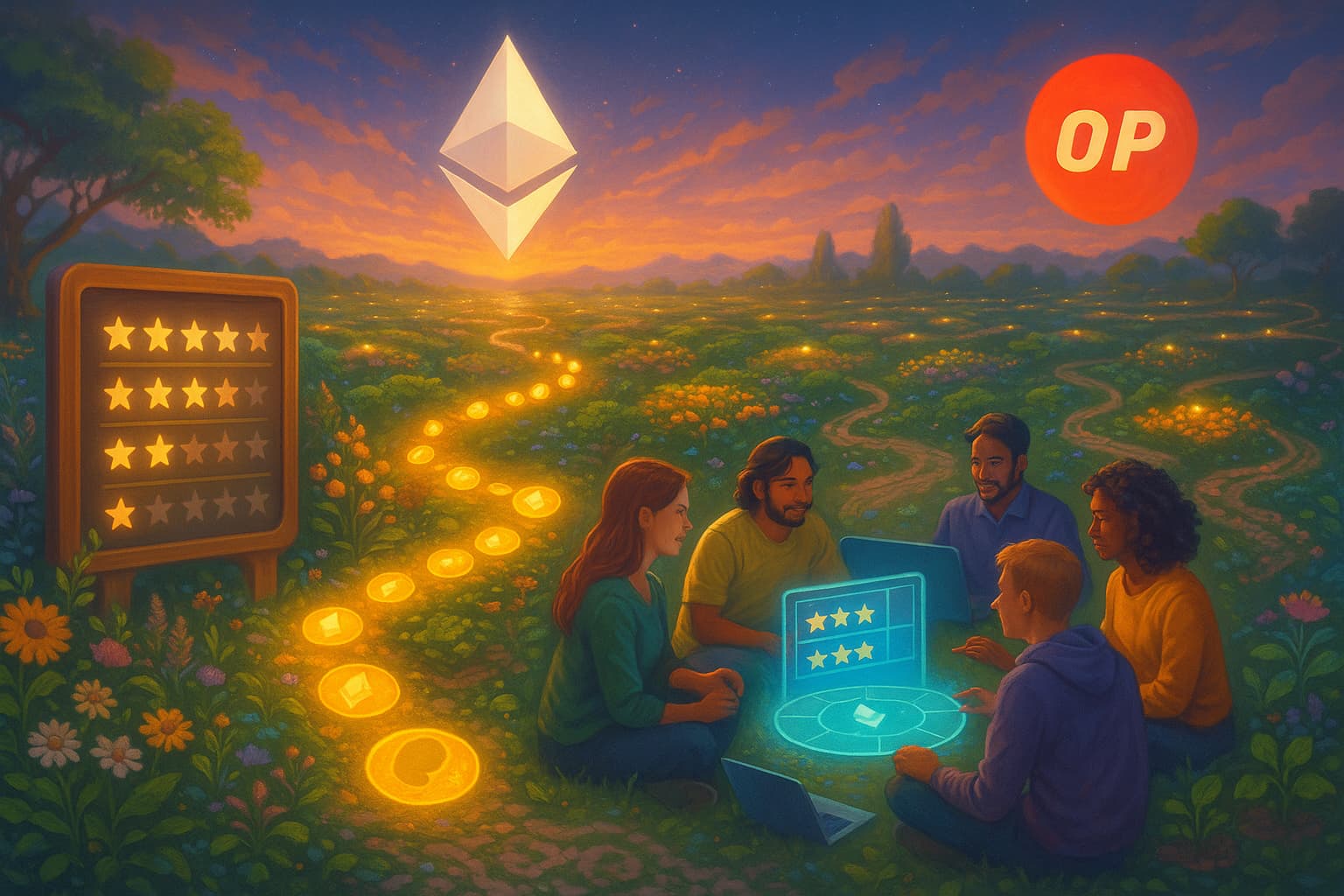
The Optimism Collective exists to scale Ethereum’s values and technology. At the heart of Ethereum’s vision lies the concept of the Infinite Garden—a metaphor that captures how the ecosystem grows through nurture rather than control, where participants cultivate public goods whose final forms we cannot predict but whose value we trust will emerge through collaborative care.
As Aya Miyaguchi, President of the Ethereum Foundation, explains in her interview about Cultivating the Infinite Garden, this vision draws direct inspiration from James Carse’s distinction between finite and infinite games. In Miyaguchi’s words: “Ethereum is like a garden where we all exist as participating creatures. It has biodiversity—insects and worms, sunlight, water and soil, a true ecosystem. The role of the Ethereum Foundation shifts to a gardener that can empower other ecosystem players.”
This infinite garden concept stems directly from Carse’s seminal work Finite and Infinite Games: A Vision of Life as Play and Possibility. As Carse explains:
“A finite game is played for the purpose of winning. An infinite game for the purpose of continuing the play.”
To truly scale the Infinite Garden and actualize Ethereum’s vision, we need coordination mechanisms that embody these principles—scalable. fun systems that encourage continued participation rather than zero-sum competition. This is where infinite games become essential. Each individual Respect Game session can be said to represent a finite game—lasting approximately one hour with clear outcomes where everyone wins but some win more Respect based upon consensus. However, the true magic emerges in how these finite games harmonize over time to create an infinite game. By playing Respect Games weekly or biweekly, participants engage in an ever-evolving process of mutual support, reputation building, and collective growth.
The connection between infinite games and scalable capital allocation becomes clear through resources about Superchain ORDAO. As explained in the following presentation, scaling capital allocation across the Superchain requires coordination infrastructure that can handle increasing complexity in recognizing value without sacrificing democratic principles. ORDAO provides the technical foundation, while the Respect Game provides the human coordination layer. Together, they enable communities to play infinite games that allocate resources fairly at any scale—essential infrastructure for growing the Infinite Garden.
The Spirit of Play as Foundation
The philosophical foundation for this approach extends beyond blockchain ecosystems into fundamental principles of human coordination. Dr. Jordan Peterson, in his conception of the Alliance for Responsible Citizenship (ARC), articulates a profound truth: “The spirit of play governs everything, not the spirit of power.”
In his discussion Clarify What You Want, Peterson describes his vision of heaven as “a place where people play games to help each other, and everyone gets better every time.” This directly parallels the infinite game concept and Respect Games — voluntary association where everyone plays toward shared ends, taking everybody along for the ride without compulsion. This creates what Peterson calls “ordered freedom”—the optimal balance between chaos and tyranny.
This spirit of voluntary play provides the antidote to the corruption that plagues traditional governance systems. When fund distribution operates through power dynamics, it inevitably concentrates authority among those most skilled at political manipulation. As Jordan explained in the ARC announcement podcast, “you have to produce a hierarchy of responsibility, distributed responsibility as an antithesis to tyranny… based on this principle of subsidiarity.” When the community operates through play — through voluntary participation in games where success comes from helping others — it creates natural incentives for genuine value creation.
Remarkably, even Kermit the Frog articulated a similar vision, imagining “a dream that gets better, the more people you share it with.” This isn’t naive optimism but sophisticated system design — creating positive feedback loops where collaboration breeds more collaboration, where building together becomes more rewarding than competing alone.
The Democratic Imperative
Both Jordan Peterson and Daniel Larimer converge on a critical insight about governance and democracy. Peterson warns that “all the responsibility you abdicate will be taken up by tyrants,” emphasizing how the spirit of play creates distributed responsibility that prevents tyrannical concentration of power.
Daniel Larimer, creator of the ƒractally system that inspired the Respect Game, makes this explicit in his article, Decentralizing Governance: “I believe the solution is to have a large number of competitive games that require a vast range of skills and/or genetic predisposition.”
Larimer argues that democracy’s failures stem from optimizing for the wrong game—political manipulation rather than genuine value creation. The Respect Game embodies his proposed solution by creating evaluation mechanisms that reward genuine contribution rather than political maneuvering, where success comes from helping others rather than defeating them.
This convergence of perspectives—from Ethereum’s founders to governance theorists to systems designers—points toward a fundamental truth: effective democratic coordination at scale requires the spirit of play. Without it, systems inevitably centralize power among those most skilled at acquiring it, rather than those creating genuine value.
From Philosophy to Practice: How Play Creates Innovation
These philosophical principles aren’t merely theoretical—they represent patterns that have driven innovation throughout human history. Steven Johnson’s groundbreaking book Wonderland: How Play Made the Modern World demonstrates how humanity’s greatest innovations emerged not from necessity but from the “strange delight” of play.
As Johnson documents, the computer itself emerged from musical instruments and automata—playful experiments that seemed frivolous at the time but established the conceptual foundations for programmable machines. The flute, created 43,000 years ago from cave bear bones, represents humanity choosing to create “useless vibrations in air molecules” rather than purely survival tools. Yet this playful innovation led to keyboards, organs, player pianos, and eventually the punch-card systems that inspired modern computing.
Johnson’s conclusion is profound: “You’ll find the future wherever people are having the most fun.” This insight is particularly relevant for blockchain governance, where we’re literally building the future of human coordination. By making fund distribution playful rather than painful, we align ourselves with the force that has driven innovation throughout history.

The Gamification Framework
Moving from historical patterns to practical implementation, Yu-kai Chou’s Gamification Design: 4 Phases of a Player’s Journey provides frameworks for implementing these philosophical principles. His Octalysis Framework identifies eight core drives that motivate human behavior, while his four-phase player journey (Discovery, Onboarding, Scaffolding, and Endgame) maps perfectly onto the participant experience in the Respect Game ecosystem.
This framework reveals that successful gamification isn’t about manipulating people with points and badges, but about aligning system design with intrinsic human motivations. When we create interfaces that satisfy our deep needs for autonomy, mastery, and purpose, participation becomes its own reward. The Respect Game already embodies many of these principles—the question is how to enhance them through thoughtful interface design.
Integrating GameFi and Blockchain Gaming
The convergence of gaming and finance, explored in my article on GameFi, demonstrates these principles’ practical potential. As blockchain gaming grows as a multi-billion dollar industry with play-to-earn mechanics enabling millions to earn real value, we see how combining financial incentives with engaging gameplay creates sustainable ecosystems where players genuinely enjoy activities that also generate value.
The Respect Game applies these GameFi principles to governance and public goods funding, transforming necessary coordination work into rewarding collaborative play. Unlike many forms of GameFi focused mostly on individual profit, our approach emphasizes collective value creation — playing infinite games that benefit entire ecosystems rather than extracting value from them.
This philosophical foundation—combining Ethereum’s infinite garden vision, the theory of infinite games, practical gamification frameworks, democratic principles, and blockchain gaming innovations—creates more than just engaging interfaces. It establishes a new paradigm for human coordination where governance becomes a game worth playing, where building public goods becomes an adventure worth joining, and where the future emerges from the joyful collaboration of aligned participants.
Part II: Learning from Successful Games
Games, Sports, and Shows: Multiple Sources of Inspiration
To transform democratic fund distribution from obligation into obsession, we must learn from diverse sources of engaging competition and collaboration. Our analysis encompasses three categories of inspiration:
- Game shows that evaluate contributions toward shared objectives
- Sports and esports that create arena experiences and fan engagement
- Video games that implement progression systems and long-term engagement
Each category offers unique insights. Game shows teach us about transparent evaluation and narrative drama. Sports demonstrate how to create spectacle and community around competition. Video games show how to maintain engagement across thousands of hours through progression systems. Together, they inform both the core Respect Game experience (the one-hour sessions) and the broader ecosystem game (long-term reputation and progression).
Game Shows and Competitive Collaboration
Several popular game shows demonstrate that audiences intuitively understand and enjoy systems where contribution value determines success:
Survivor: Tribes collaborate on survival challenges while evaluating each member’s contribution. The Tribal Council creates dramatic peer evaluation moments where participants must justify keeping or eliminating teammates based on their value to the group. The final jury explicitly audits who contributed most to collective success—a direct parallel to Respect Game consensus.
The Apprentice: Teams tackle real-world business challenges with clear deliverables. The boardroom dissection of who actually drove success (versus who merely participated) mirrors the nuanced evaluation needed in the Respect Game. The rotating project manager role resembles how different participants might facilitate Respect Game sessions.
Key lessons from game shows:
- Transparent rubrics increase buy-in and understanding
- Narrative tension makes evaluation compelling rather than bureaucratic
- Peer testimony creates more credible assessment than top-down judgment
- Iterative rounds prevent any single evaluation from being definitive
Sports and Esports: The Arena Experience
Traditional sports and esports provide models for creating excitement around competition while maintaining collaborative team dynamics:
The Olympics: Individual excellence within national team contexts shows how personal achievement and collective success can reinforce each other. The ceremony and ritual surrounding the games transforms athletic performance into cultural moments. Multiple specialized events ensure diverse paths to success.
FIFA/Premier League: The world’s most popular sport demonstrates how local identification (club loyalty) can coexist with global competition. The transfer market and player development systems show how to value and develop talent over time. Broadcasting innovations make every match accessible and exciting for millions.
League of Legends Championships: Esports prove that watching others play games can be as engaging as playing yourself. Commentary and analysis help audiences understand complex strategic decisions. Team dynamics become storylines that sustain interest between matches.
Key lessons from sports:
- Production values matter—professional presentation elevates the perceived importance
- Fan engagement extends the experience beyond direct participants
- Season structures create anticipation and narrative arcs
- Commentary and analysis help audiences appreciate excellence
These insights directly inform how we might transform Respect Game sessions from Zoom calls into must-watch events with professional production, expert commentary, and engaged audiences who learn by watching before participating themselves.
Digital Games: From Simple to Complex
Video games provide the most direct inspiration for progression systems and long-term engagement mechanics. We analyze them in order of complexity, starting with the most accessible:
Fortnite: Simplicity at Scale
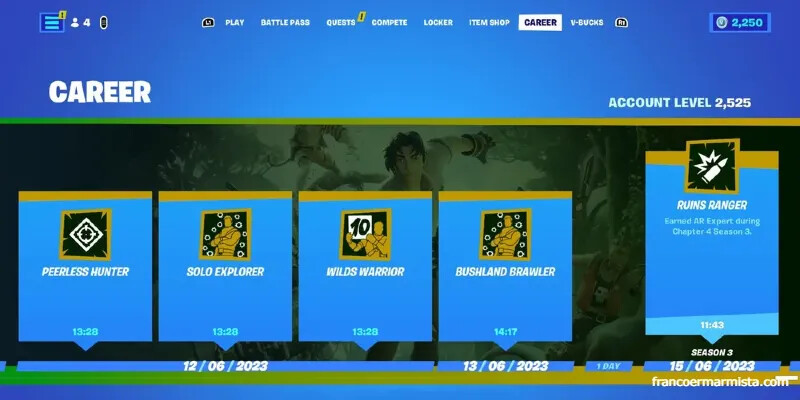
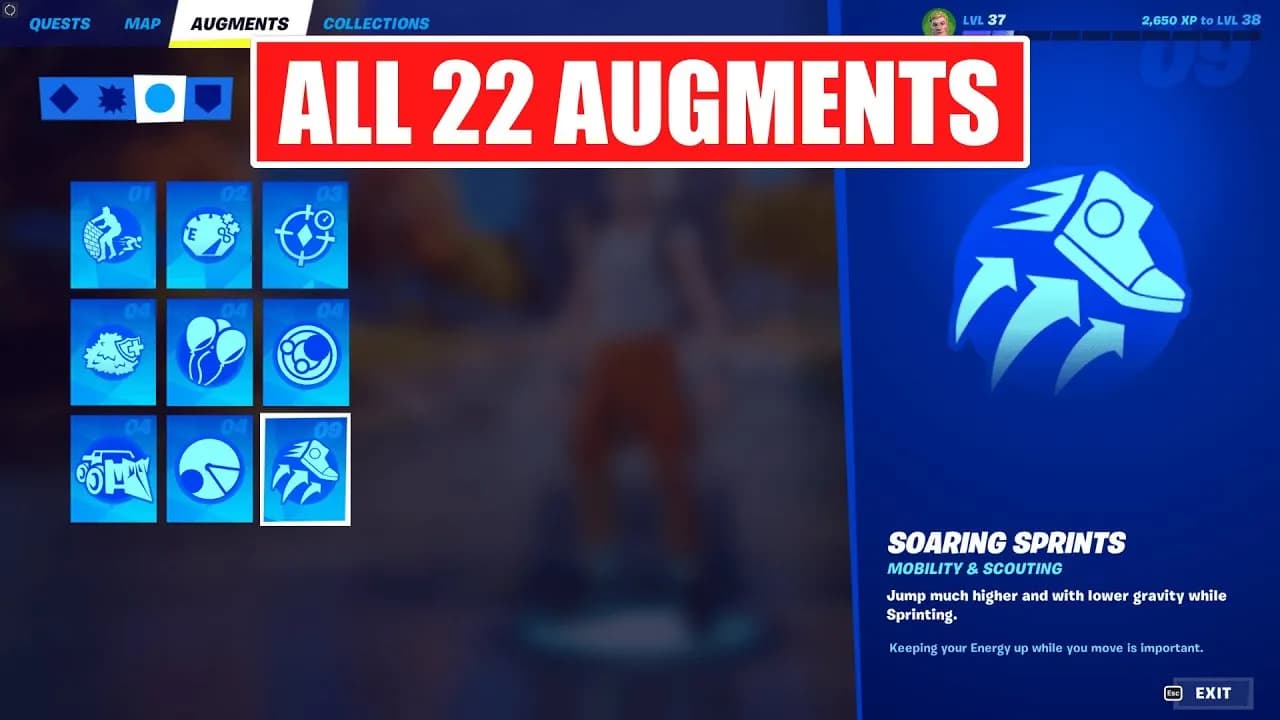
Fortnite’s genius lies in making complex systems feel simple. Despite battle royale’s inherent complexity, the interface never overwhelms. This provides the perfect starting point for understanding how to make sophisticated governance accessible:
Limited Active Choices: Players manage only four active augments, preventing decision paralysis. For fund distribution, this suggests limiting simultaneous voting options while maintaining depth through sequential choices.
Visual Clarity: Every interface element serves a clear purpose with consistent visual language. Our designs must similarly prioritize clarity—complex governance made visually simple.
Seasonal Freshness: Regular resets with new themes keep the game fresh while maintaining core progression. The Respect Game’s six-month seasons already embody this principle.
Universal Accessibility: Fortnite works identically across all platforms. Our interfaces must be similarly accessible whether on desktop or mobile, whether participants prefer simple or complex views.
World of Warcraft: Mastery Through Complexity
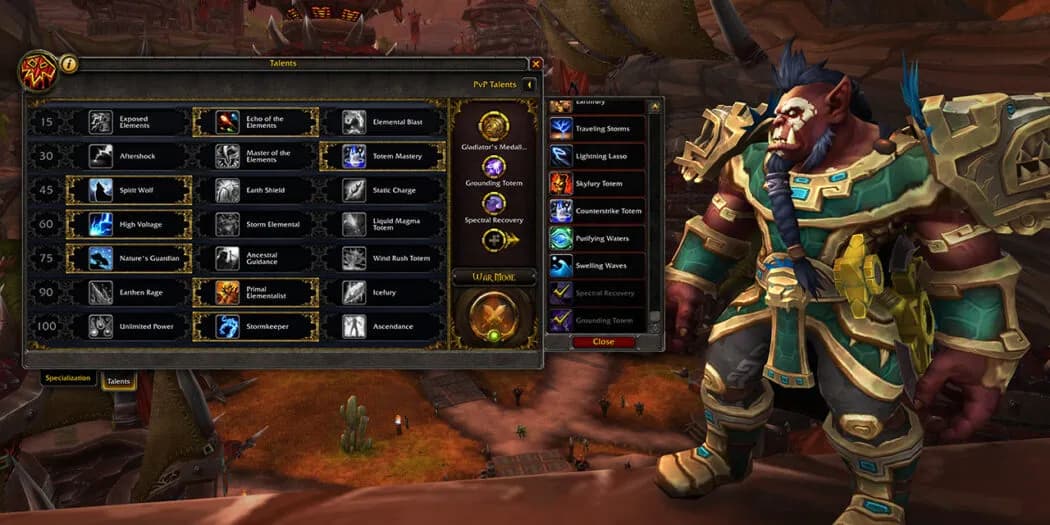
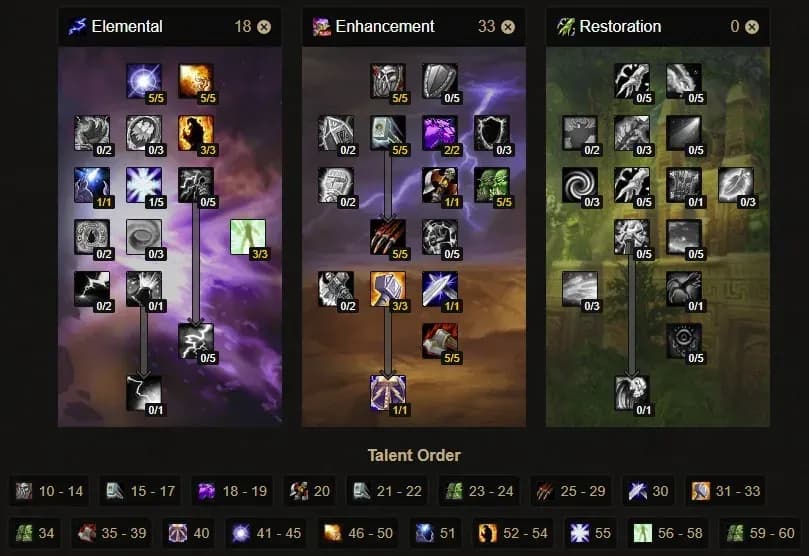
After establishing simplicity, World of Warcraft demonstrates how to introduce depth without overwhelming newcomers:
Progressive Complexity: New players see only immediate choices, with future options revealed as they advance. For the Respect Game, this means showing participants their next achievable milestone rather than overwhelming them with distant possibilities.
Meaningful Specialization: Every talent point represents a genuine decision about identity. Similarly, choosing to specialize in technical development versus community building should feel like crafting a unique identity, not checking boxes.
Social Proof: Damage meters and achievement displays create positive peer pressure without toxic competition. Our interfaces should similarly celebrate contributions while fostering healthy competition.
Community Modification: WoW’s add-on ecosystem shows how core systems can be enhanced by user innovation—a principle essential for decentralized governance tools.
Final Fantasy XIV: Community Through Ritual
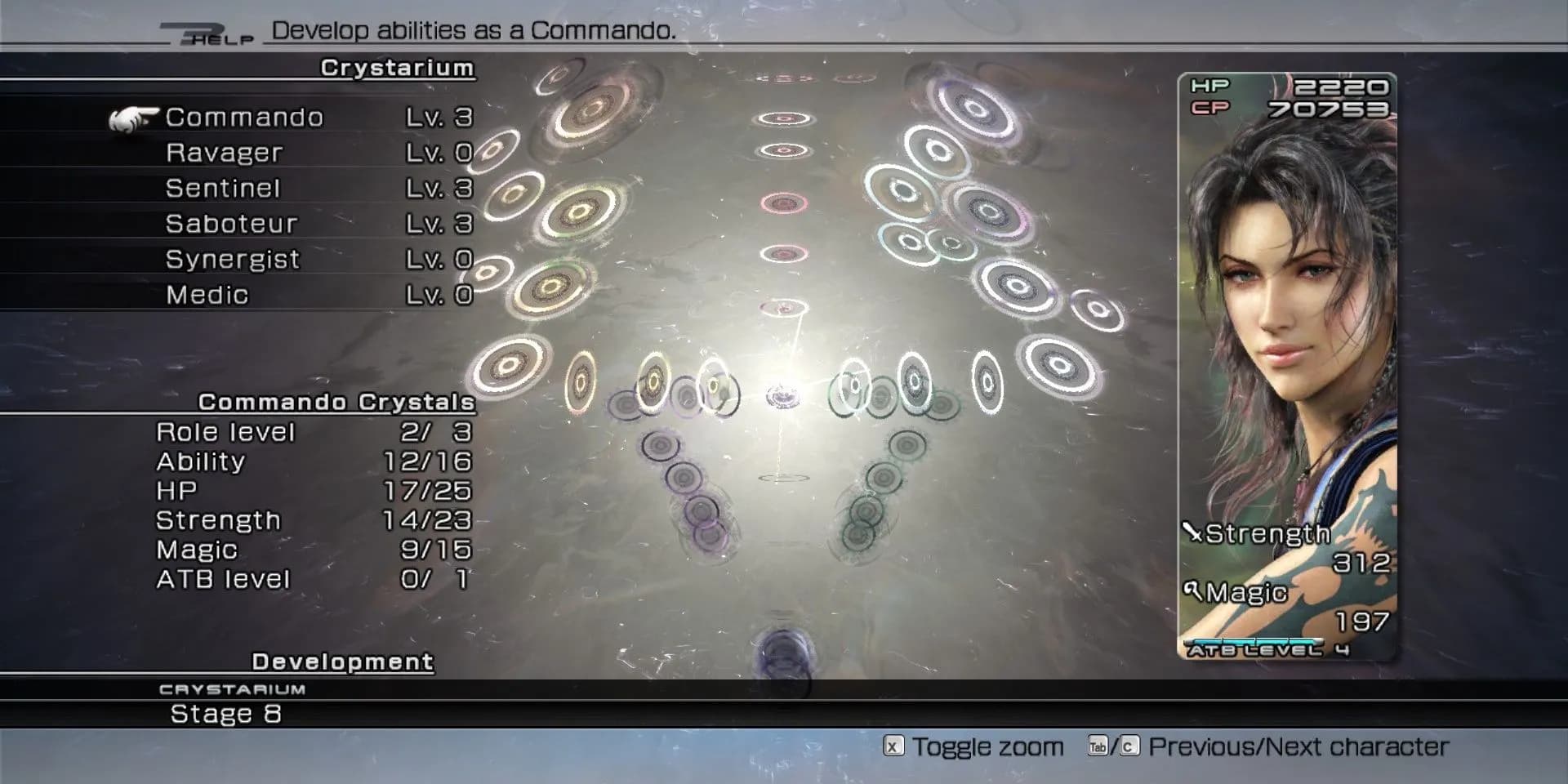
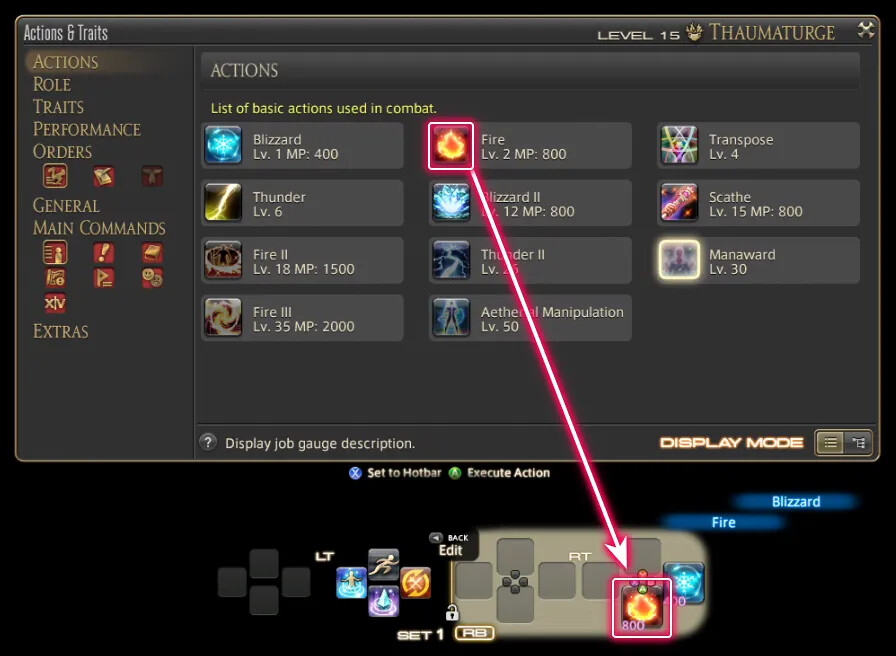
Final Fantasy XIV’s remarkable success stems from making community participation feel rewarding rather than required:
- Daily Rituals: Low-friction daily activities provide consistent engagement between major events. The Respect Game could implement similar “daily contribution” opportunities—quick ways to help Optimism between formal game sessions.
- Commendation System: After each group activity, players can commend teammates who performed well. This lightweight peer recognition could supplement formal Respect Game evaluations.
- Role Clarity: Clear visual indicators show each player’s specialization, making group coordination intuitive. Our interfaces should similarly make participants’ strengths and contributions immediately visible.
- Narrative Integration: Every activity connects to a larger story. Fund distribution isn’t just moving tokens—it’s building the Optimism Superchain’s future.
League of Legends: Competitive Transparency
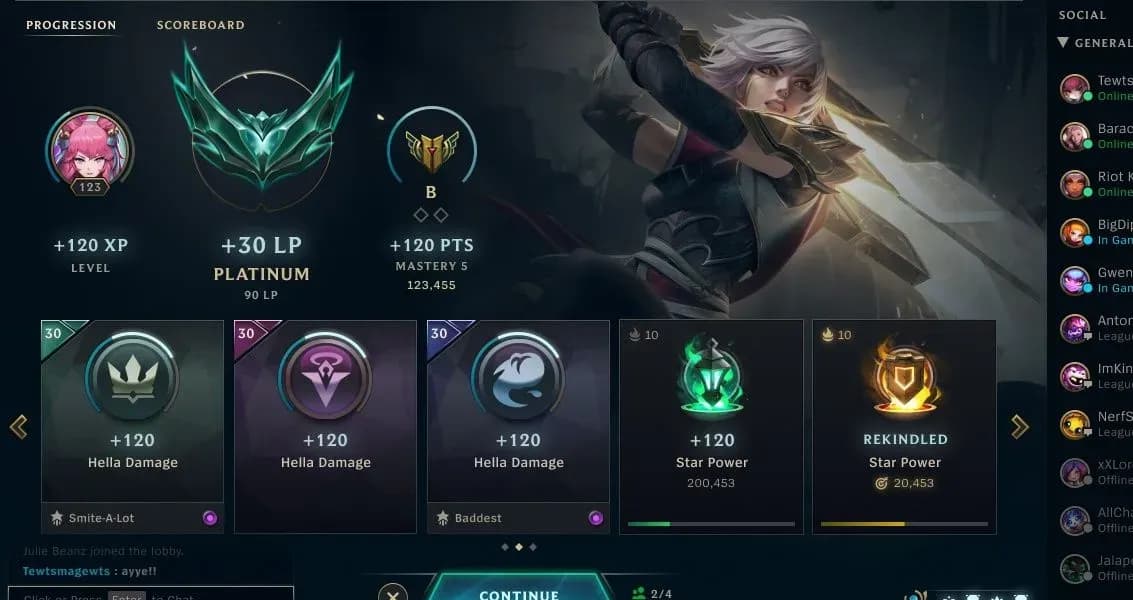

League of Legends exemplifies information transparency without overwhelming players:
- Real-Time Metrics: Players see exactly how they and others are performing, creating accountability and enabling improvement. Respect Game interfaces should provide similar clarity about contribution value and recognition.
- Contextual Information: Different data appears based on current game state. During fund distribution voting, relevant metrics should surface automatically.
- Performance History: Past game statistics inform improvement. Participants should easily review their contribution history and peer feedback to identify growth areas.
- Spectator-Friendly: Even non-players can understand what’s happening through clear visualization. Our governance processes must be similarly transparent to external observers.
Civilization VII: Strategic Progression

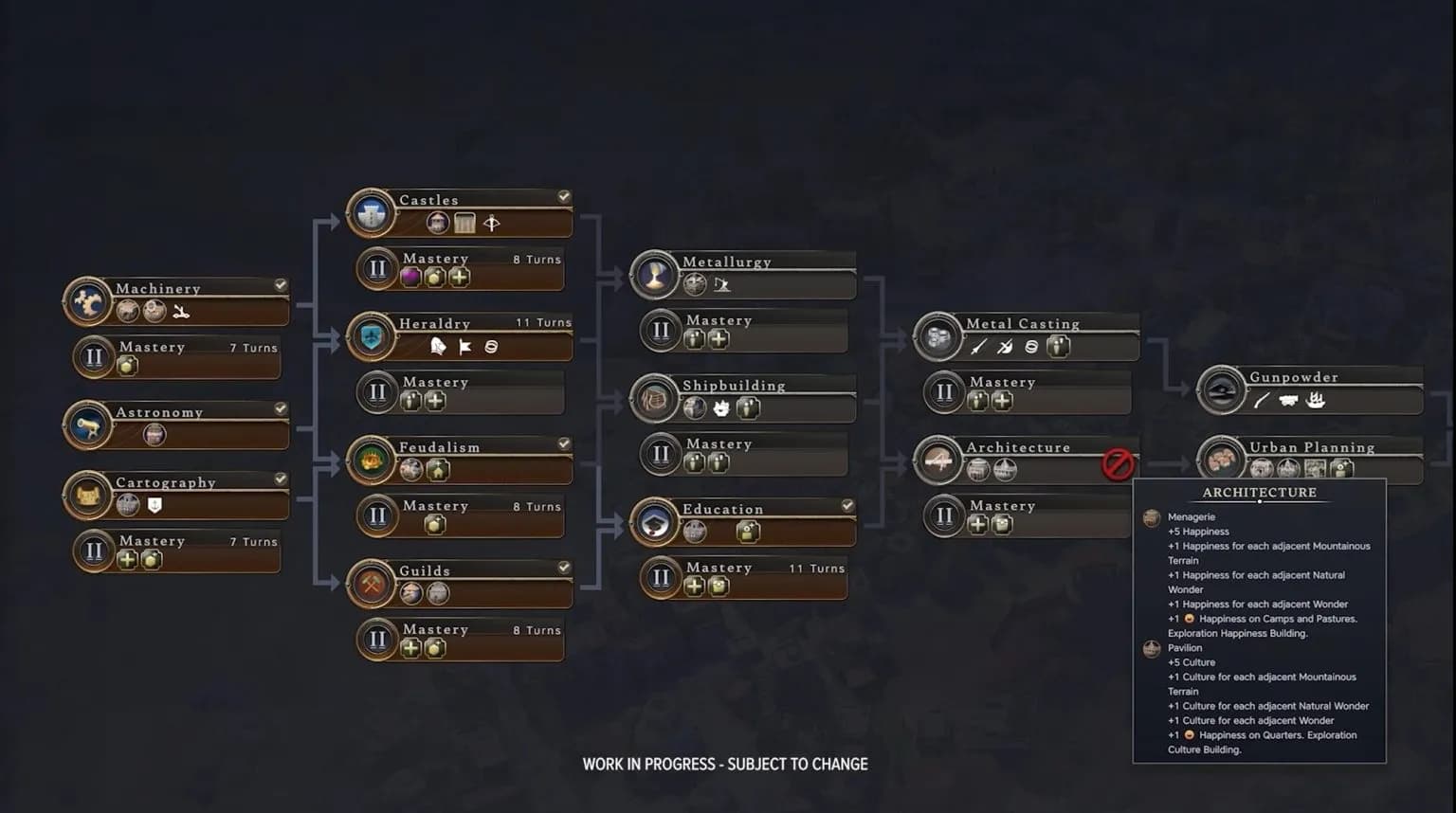
Civilization’s tech trees visualize progress in ways that make long-term planning intuitive and exciting:
- Visual Roadmaps: Players can see the technologies leading to their desired advancement. Participants should similarly visualize paths to increased influence or specialized roles.
- Eureka Moments: Specific actions reduce research time, creating satisfying optimization opportunities. Completing certain contributions could unlock accelerated progression in our system.
- Era Progression: Organizing development into distinct phases with unique characteristics helps participants understand their place in the larger journey.
- Interdependence: Technologies require prerequisites, creating natural skill progression. Similarly, advanced governance roles should build on demonstrated foundational contributions.
Synthesis: The Optimism Fractal Design Language
These diverse sources teach us that successful engagement systems balance seemingly contradictory demands:
- Simple enough for newcomers, deep enough for veterans: Start with Fortnite’s clarity, evolve toward WoW’s complexity.
- Individual achievement within collective success: Like FFXIV’s commendations and Olympic team dynamics, recognize personal contributions while emphasizing community outcomes.
- Strategic planning with immediate feedback: Combine Civilization’s long-term vision with League of Legends’ real-time responsiveness.
- Competitive elements that encourage collaboration: Create leaderboards and achievements that celebrate helping others, not defeating them.
- Professional presentation that remains accessible: Sports production values without intimidating casual participants.
These principles inform every design decision, from the core Respect Game interface to the broader progression systems, creating experiences where every participant feels like the hero of their own story while contributing to the collective narrative of building the Superchain.
Part III: The Respect Game Interface
Reimagining the Core Game Experience
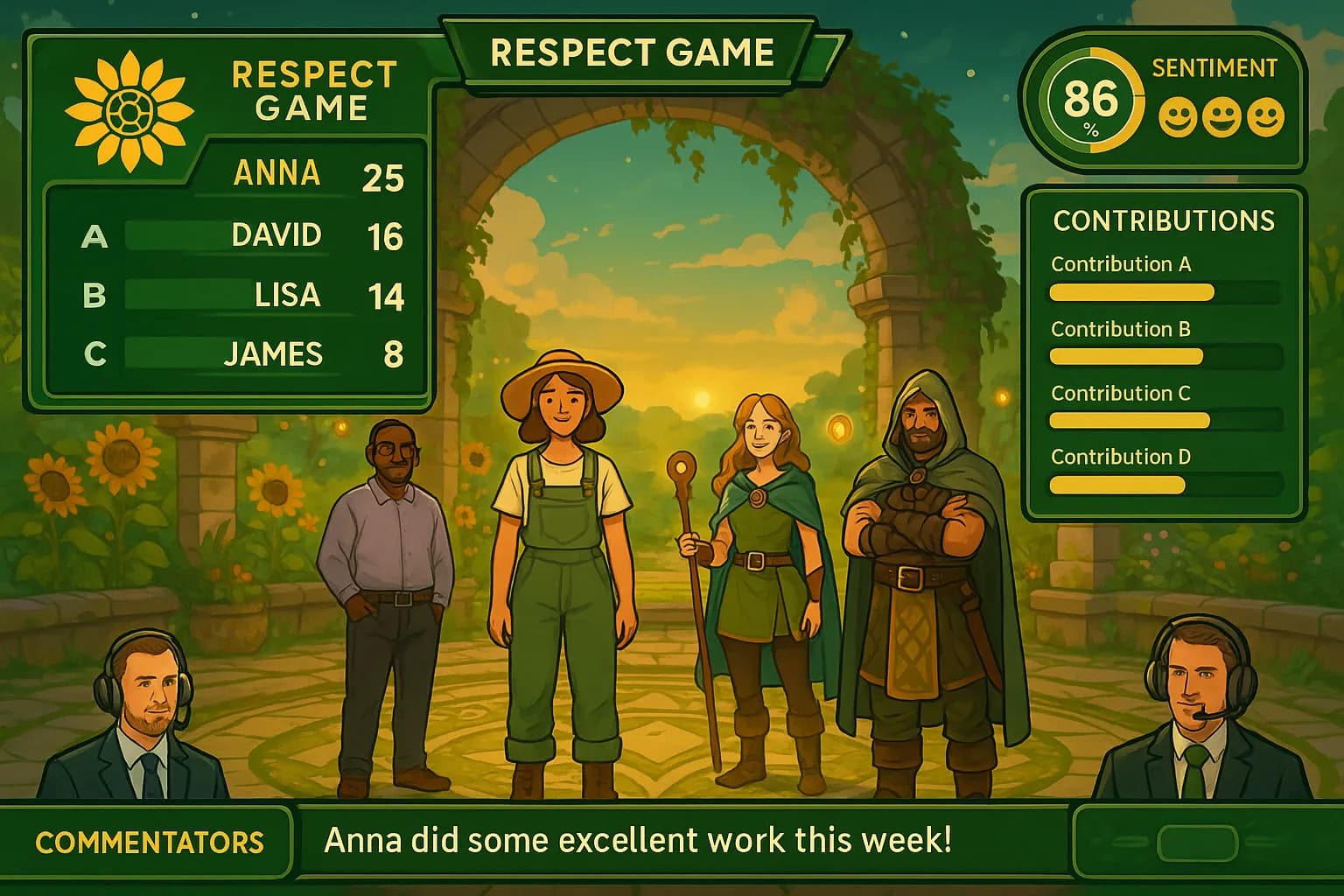
Before participants can develop characters or progress through levels, they must first engage with the fundamental experience: playing the Respect Game itself. This one-hour session where participants share contributions and reach consensus on rankings from Level 6 to Level 1 represents the atomic unit of our entire system. While currently conducted through Zoom with a simple ranking interface, the ultimate vision transforms this into an immersive, spectacular experience that rivals any esport or game show.
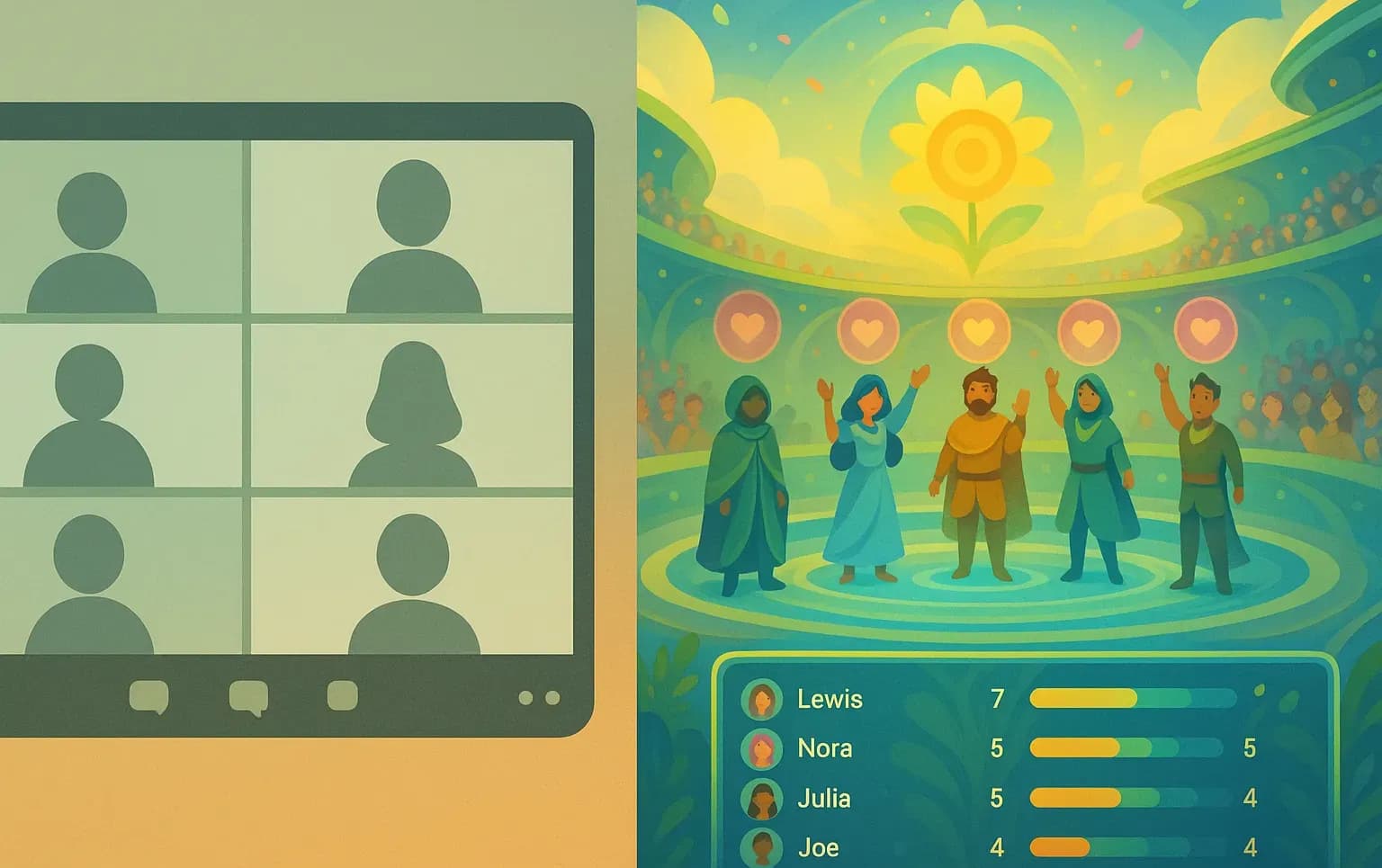
From Zoom Calls to Immersive Arenas
The evolution from current implementation to future vision happens through progressive enhancement:
Current State: Participants join Zoom, use Fractalgram for simple click-based ranking, submit consensus to blockchain. Functional and fun but not particularly engaging for observers or dramatically different from typical video calls.
Near-Term Enhancement:
- Integrated Video: Participant video feeds appear directly within the game interface
- Real-Time Reactions: Emoji responses, applause, and other feedback during presentations
- Screen Sharing Plus: Enhanced presentation tools with automatic screenshot capture
- AI Summaries: Live transcription and key point extraction from contributions
- Highlight Clips: One-click creation of shareable moments from presentations
Medium-Term Vision:
- Avatar Options: Choose between real appearance or customized character representation
- Presentation Templates: Professional layouts for sharing contributions
- Automated Metrics: Pull relevant on-chain data to support contribution claims
- Music and Effects: Dynamic soundscape responding to game flow
- Spectator Mode: Friends can watch without participating, learning before joining
Long-Term Transformation:
- VR/Metaverse: Fully immersive 3D environments where participants meet as avatars
- AI Production: Automated camera work focusing on current speaker with cinematic flair
- Live Streaming: Twitch/YouTube integration with professional overlay graphics
- Multiple Arenas: Different themed environments for different types of contributions
Sports-Style Production Values
Drawing from sports broadcasting innovations, the Respect Game interface can create drama and engagement:
Commentary System:
- Play-by-Play: Experienced community members provide real-time commentary on contributions
- Color Commentary: Expert analysis of technical contributions or governance implications
- Pre-Game Analysis: Preview participants and their recent work
- Post-Game Breakdown: Highlight reels and consensus analysis
Arena Atmosphere:
- Virtual Audience: Community members who aren’t playing can attend as spectators
- Crowd Reactions: Cheers for excellent contributions, gasps for surprising reveals
- Home Field Advantage: Participants can customize their presentation space
- Championship Venues: Special arenas for season-ending RetroSeason events
Statistical Overlay:
- Contribution History: Player stats showing past performance and specializations
- Live Polling: Audience predictions for consensus outcomes
- Impact Metrics: Real-time display of how contributions affected the ecosystem
- Trend Analysis: How current performance compares to recent sessions
AI Integration and Real-Time Analytics
Artificial intelligence enhances rather than replaces human judgment:
Contribution Analysis:
- Automatic Summarization: AI generates concise summaries of lengthy contributions
- Evidence Verification: Cross-reference claims with on-chain data
- Sentiment Analysis: Gauge group dynamics and consensus formation
- Translation Services: Real-time translation enabling global participation
Presentation Enhancement:
- Visual Generation: AI creates supporting graphics from verbal descriptions
- Highlight Detection: Automatically identify key moments for clips
- Background Music: AI-composed soundtracks matching presentation mood
- Accessibility Features: Real-time captioning and audio descriptions
Decision Support (never replacement):
- Similar Past Cases: Show how similar contributions were evaluated previously
- Consensus Prediction: Estimate likely outcomes based on discussion flow
- Outlier Detection: Flag when rankings deviate significantly from patterns
- Learning Loops: Improve predictions based on actual outcomes
VR and Metaverse Possibilities
The ultimate evolution brings participants into shared virtual spaces:
Immersive Environments:
- Contribution Galleries: 3D spaces where work is displayed museum-style
- Gestural Voting: Physical movements to indicate ranking preferences
- Spatial Audio: Voices come from avatar directions, creating presence
- Shared Whiteboards: Collaborative spaces for visualizing consensus
Avatar Expressiveness:
- Emotion Mapping: Facial expressions translated to avatar reactions
- Body Language: Natural gestures enhance communication
- Costume Choices: Dress avatars according to contribution type or mood
- Status Indicators: Visual effects showing Respect level and achievements
Environmental Storytelling:
- Seasonal Arenas: Venues that evolve with governance seasons
- Community Monuments: Persistent structures celebrating major achievements
- Personal Spaces: Customizable areas reflecting individual contributions
- Easter Eggs: Hidden features rewarding exploration and engagement
Making Every Game Memorable
The enhanced Respect Game interface transforms each session into a memorable event:
Easy Content Creation:
- Automatic Highlights: AI-edited reels of best moments
- Contribution NFTs: One-click minting of presentations via Zora integration
- Social Sharing: Formatted clips optimized for Twitter/Farcaster
- Portfolio Building: Persistent record of all contributions and recognition
Playoffs and Championships:
- Season Tournaments: Top contributors compete in special showcase events
- All-Star Games: Mixed sessions with participants from different communities
- Exhibition Matches: Demonstration games for newcomer onboarding
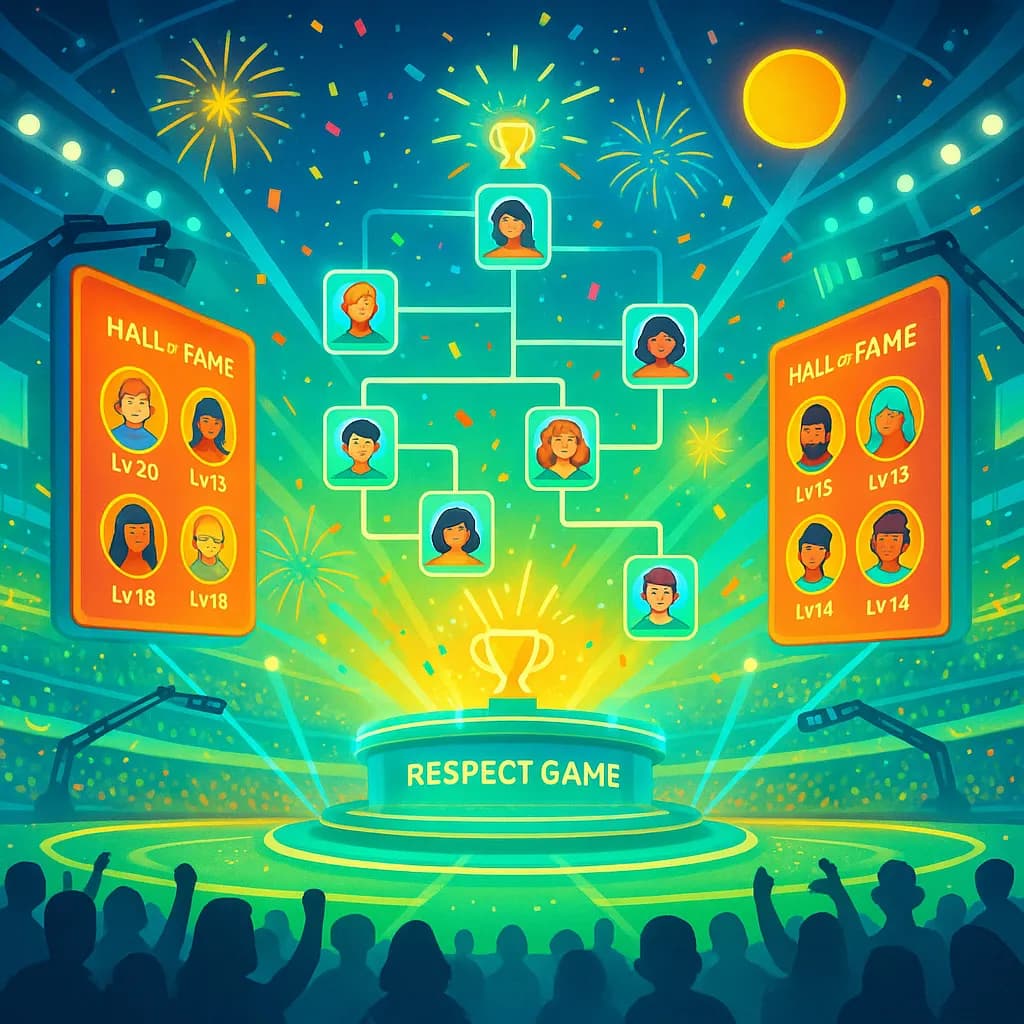
- Hall of Fame: Permanent recognition for exceptional contributors
This reimagined Respect Game interface maintains the democratic evaluation process that makes the system work while adding layers of engagement that make it genuinely exciting to participate in and watch. By treating each session as both a governance mechanism and an entertainment experience, we create the foundation for a system that can scale to millions while maintaining quality evaluation and genuine human connection.